Continue reading...

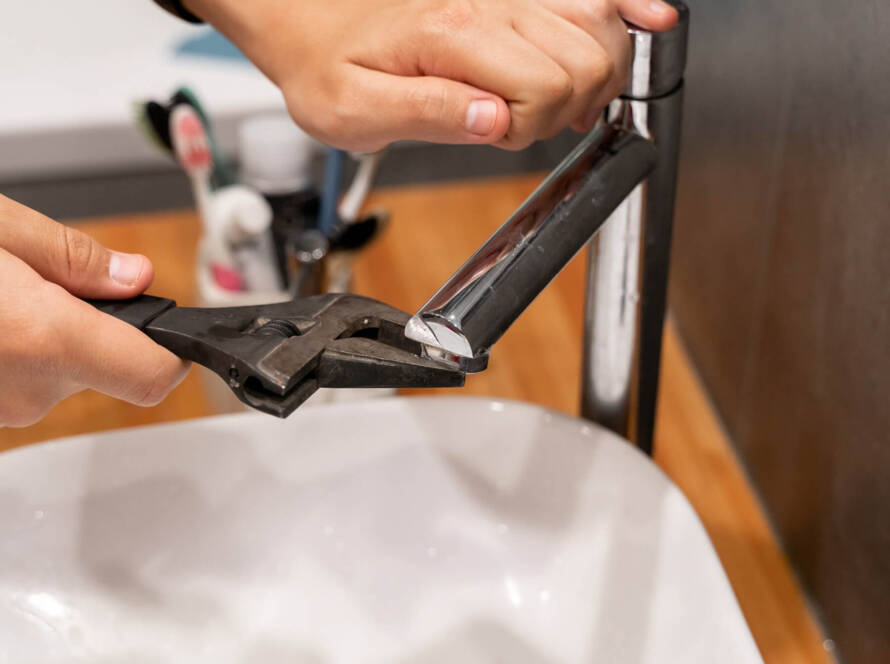
5 Common Plumbing Problems (and How to Fix Them Before Calling a Plumber) November 23, 2016 – Posted in: Plumbing Tips & Tricks

1. Leaky Faucets That constant drip is more than annoying—it’s money going down the drain. Most leaks come from worn washers or O-rings. Replacing them can stop the leak within minutes. 2. Slow or Clogged Drains A slow drain usually means buildup of grease, hair, or soap scum. Use a plunger or natural drain cleaner (baking soda + vinegar) before opting for harsh chemicals. 3. Running Toilets If your toilet won’t stop running, the problem…

Continue reading
Continue reading...

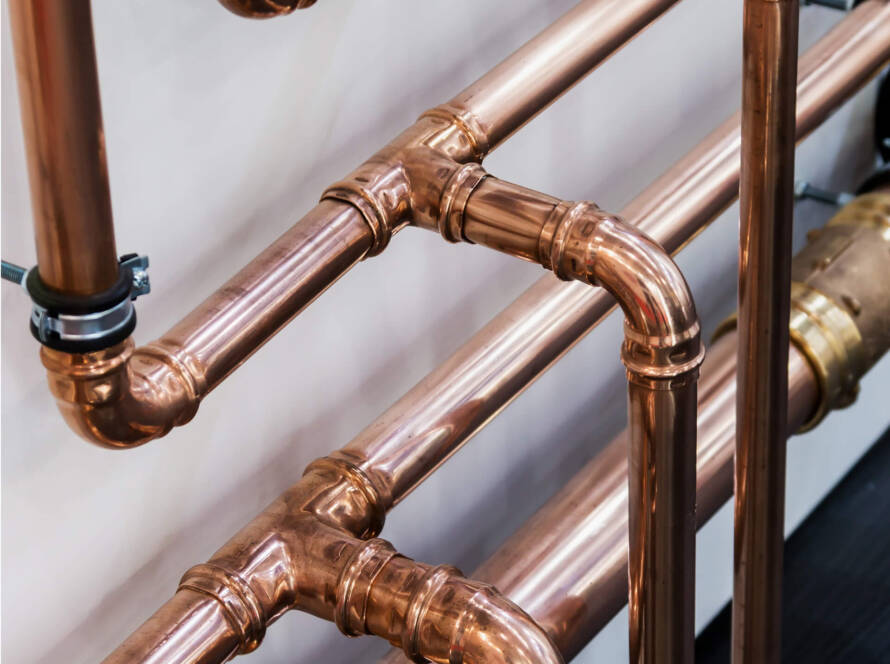
Top 7 Tips to Prevent Clogged Drains – Posted in: Drain Cleaning

Clogged drains are a nightmare—but preventable. The key is maintenance. Avoid putting oil, coffee grounds, or food scraps into sinks, and always use drain strainers. Flush drains weekly with hot water to clear small buildups. Tip 1: Avoid grease and leftover food in kitchen drains. Tip 2: Use drain covers in bathrooms to catch hair. Tip 3: Pour baking soda and vinegar monthly to prevent buildup. Tip 4: Never flush wipes or cotton pads. Tip…

Continue reading
Continue reading...

Why Regular Plumbing Maintenance Saves You Money – Posted in: Maintenance Guides

Many homeowners only call a plumber when disaster strikes—but regular maintenance is what truly saves money. By inspecting pipes, faucets, and water heaters regularly, you prevent leaks, rust, and breakdowns. Check faucets and showers for small drips. Inspect under-sink pipes for moisture. Flush your water heater every 6 months to remove sediment. Check toilet tanks for silent leaks. Examine your water meter for sudden usage spikes. Our DripPro Plumbing Maintenance Plan ensures your home’s plumbing…

Continue reading
Continue reading...

How to Detect Hidden Water Leaks in Your Home – Posted in: Leak Detection

Hidden leaks can silently damage your home’s foundation and raise your water bill. Detecting them early saves thousands in repairs. Check for mold, damp smells, or stained ceilings. Monitor your water meter overnight when no water is in use—any change means a leak. Use moisture detectors or infrared sensors around bathrooms and kitchens. If you notice soft walls or bubbling paint, act fast. DripPro’s Leak Detection Team uses modern acoustic and camera tools to pinpoint…

Continue reading